
 CleanLink Interactive Spring/Summer 2026 Issue
 Recognizing the 2026 Reader Choice Award Winners
 2026 Emerging Leader Award
 How Surfactant Use is Expanding in Commercial Cleaning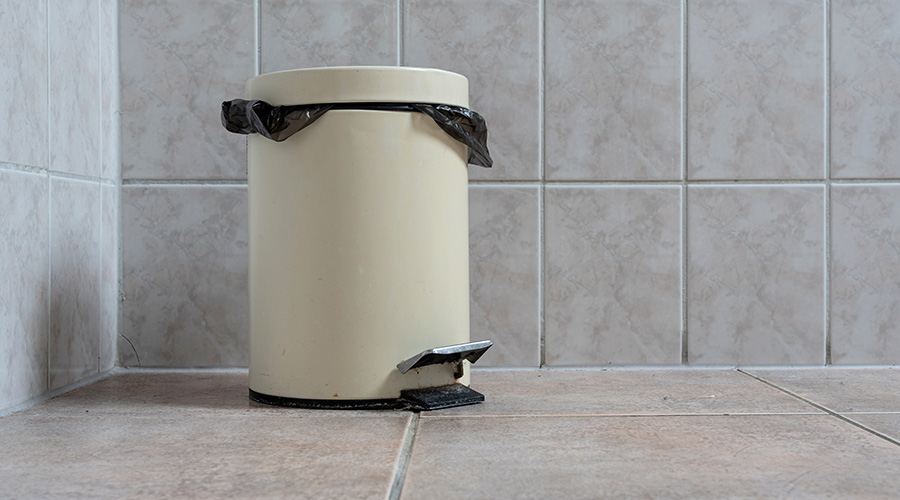
A movement abroad shows an equitable evolution in restroom facilities. The addition of a sanitary disposal bin inside a toilet stall at The Crown Hawk Green, a pub in Stockport, United Kingdom, received rave reviews online. The upgrade offers a domestic solution to the potty parity problem in the U.S.
At present, the American Cancer Society estimates 333,830 cases of prostate cancer were reported in 2026, with one in eight men receiving a diagnosis in their lifetime. Treatment, alongside other individuals with urinary and bowel disabilities, can result in leakage, impacting personal hygiene and health. According to Urology & Continence Care Today, the challenge this presents is coupled with insufficient public restroom facilities—only 17 percent of restrooms in the U.K. contain a sanitary waste solution in male restrooms.
Although sanitary waste bins are commonly featured across female restrooms, they are often precluded from their male counterparts. In addition to other inclusive improvements, such as the implementation of changing tables in all restroom facilities, the addition of incontinence bins can preserve an individual’s dignity, raise awareness, and enhance the overall user experience. For frontline staff, this will also reduce cross-contamination risks, minimize odors, and support waste diversion efforts.