
 CleanLink Interactive Spring/Summer 2026 Issue
 Recognizing the 2026 Reader Choice Award Winners
 2026 Emerging Leader Award
 How Surfactant Use is Expanding in Commercial Cleaning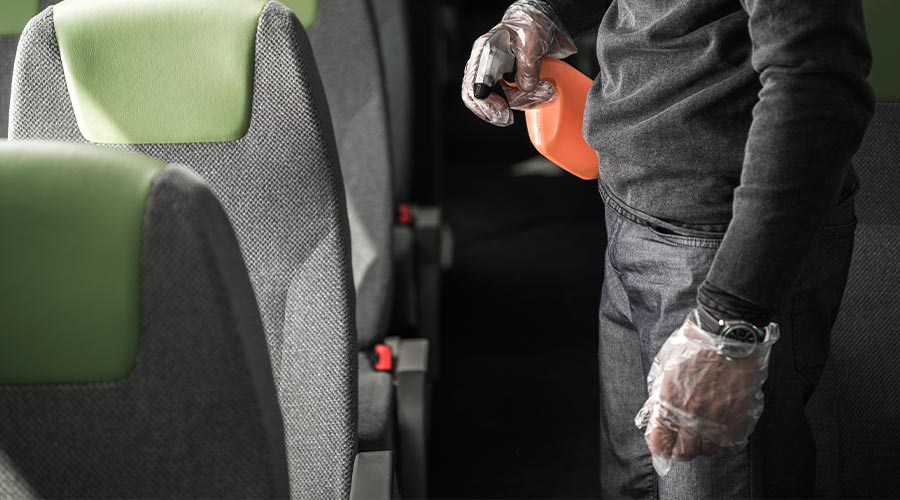
An innovative program is breaking records in daytime cleaning. TriMet, a public transportation agency, announced a record 110,000 daytime cleaning services performed in 2025, Mass Transit reports. New initiatives—an increased labor force, routine detail cleaning, and prompt rideshare app responses—led not only to a higher-quality level of cleanliness, but also to an improved perception of their facilities, KATU asserts.
TriMet’s success emphasizes the importance of a data-driven system that clearly organizes and defines tasks for trained cleaning teams. Alongside their daytime cleaning crews, nighttime employees prioritize detailed, surface cleaning before tackling floor care, alternating weeks to provide deep interior cleaning, TriMet News describes.
Day and night cleaning’s benefits and drawbacks are a topical debate in the industry, CleanLink affirms. While daytime cleaning enhances energy efficiency and building occupant perceptions of clean, nighttime cleaning affords employees more flexibility and minimizes distractions, Sparkly House Cleaning shares. Ultimately, as ProTex Janitorial Services says, commercial cleaning executives benefit from selecting a cleaning schedule—daytime, nighttime, or hybrid—that optimizes their workforce, operations, and budgets for each facility type.
As facilities adapt, akin to TriMet, scheduling routine deep cleaning is key to providing a safe and healthy environment. According to Assett Commercial Services, as facility usage evolves, cleaning frequency increases. Space transformations require flexible cleaning approaches to mitigate the individualized needs of high-traffic areas within facilities, System 4 suggests.