
 CleanLink Interactive Spring/Summer 2026 Issue
 Recognizing the 2026 Reader Choice Award Winners
 2026 Emerging Leader Award
 How Surfactant Use is Expanding in Commercial Cleaning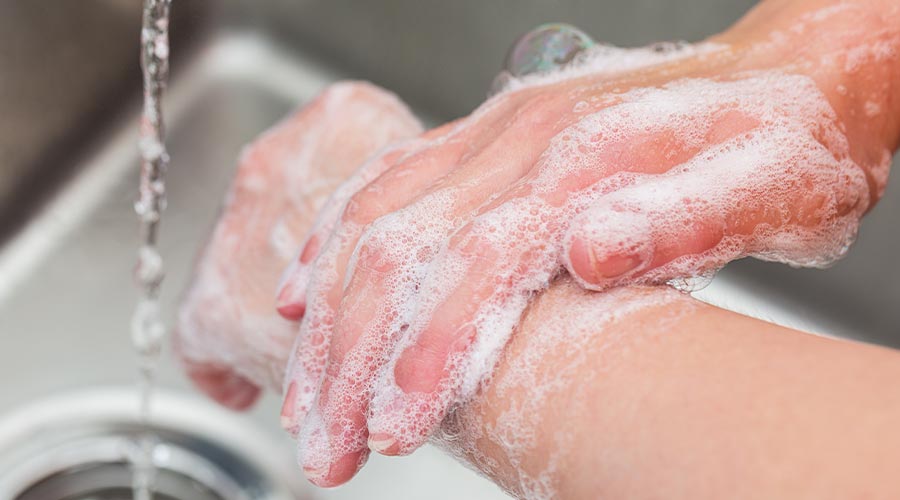
The first week of December delineates the importance of handwashing for infection control and prevention. National Handwashing Awareness Week is an established public health initiative that promotes positive handwashing hygienic practices to mitigate the spread of disease, Drlogy shares. As an estimated 80 percent of infectious diseases are shared through poor hand hygiene, a 2025 report by the National Foundation for Infectious Diseases (NFID) notes, it is imperative to maintain evidence-based handwashing procedures.
According to the Centers for Disease Control and Prevention (CDC), routine handwashing can inhibit 30 percent of diarrhea-related and 20 percent of respiratory illnesses. Moreover, maintenance of handwashing routines—like multimodal hand hygiene strategies—can reduce the risk of hospital acquired infections (HAI) by 50 percent, the World Health Organization (WHO) reports. An accessible defense, it does have notable differences when applied to healthcare facilities. The CDC recommends the use of alcohol-based hand sanitizers alongside handwashing to target persistent germs.
A perception of clean is also important for handwashing buy-in. In Bradley’s 2025 Healthy Handwashing Survey, as affirmed by CleanLink’s coverage, around 84 percent of the public say that the cleanliness of a restroom determines their impression of a facility. Cleaning teams—the first line of defense against contagions—are therefore implored to both create a quality level of clean for handwashing facilities, as well as uphold hygienic guidelines themselves. When individuals invest in handwashing, they are rewarded with better immunity.