
 CleanLink Interactive Spring/Summer 2026 Issue
 Recognizing the 2026 Reader Choice Award Winners
 2026 Emerging Leader Award
 How Surfactant Use is Expanding in Commercial Cleaning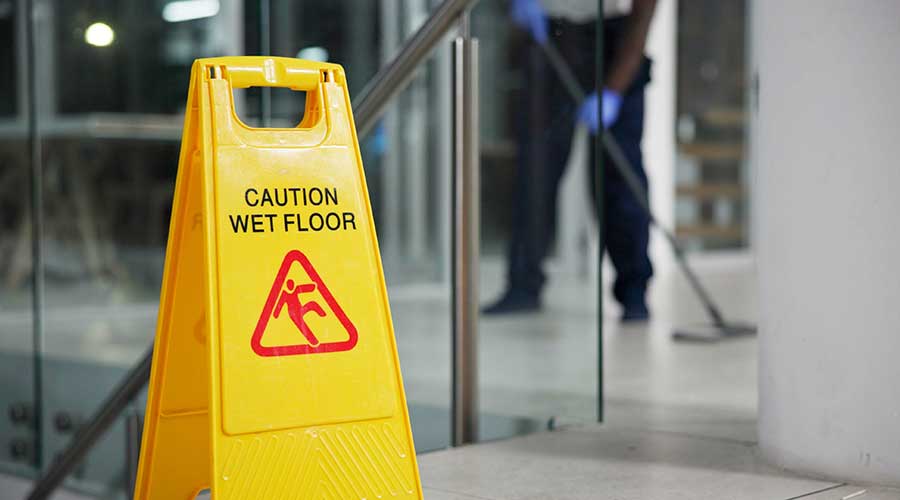
A recent injury report reveals that slips, trips, and falls continue to impact employee safety. According to the 2026 Travelers Injury Impact Report, slips, trips, and falls are attributed to 27 percent of on-site injuries, with overexertion leading injury cases (31 percent). These findings highlight the importance of creating and maintaining a floor safety culture that ensures employee well-being.
The economic impact of preventable injuries is immense. Falls—in general and from heights—remain one of the costliest workplace injuries, while slip-and-trip injuries contribute significantly to healthcare financial losses. A study by The Schiller Kessler Group found that indirect costs outweigh direct costs attributed to fall injuries due to the remediation required following an incident. This adverse financial impact not only affects the overall operational budget but also staff safety and security.
Floors are the first place to look when mitigating slips, trips, and falls risks. According to the Occupational Health and Safety Administration (OSHA), common causes of these hazards are wet or oily floors, cluttered walkways, unsecured and/or torn matting, and minimal fall protection. Commercial cleaning executives can reinforce their floor care programs by conducting safety audits, using and changing warning signage, marking hazardous walkways, and consistently maintaining floors.