
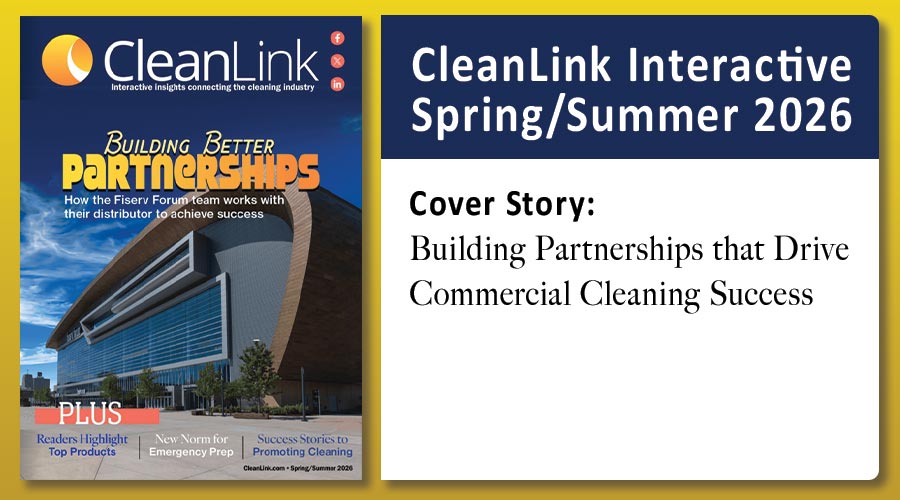
 CleanLink Interactive Spring/Summer 2026 Issue
 Recognizing the 2026 Reader Choice Award Winners
 2026 Emerging Leader Award
 How Surfactant Use is Expanding in Commercial Cleaning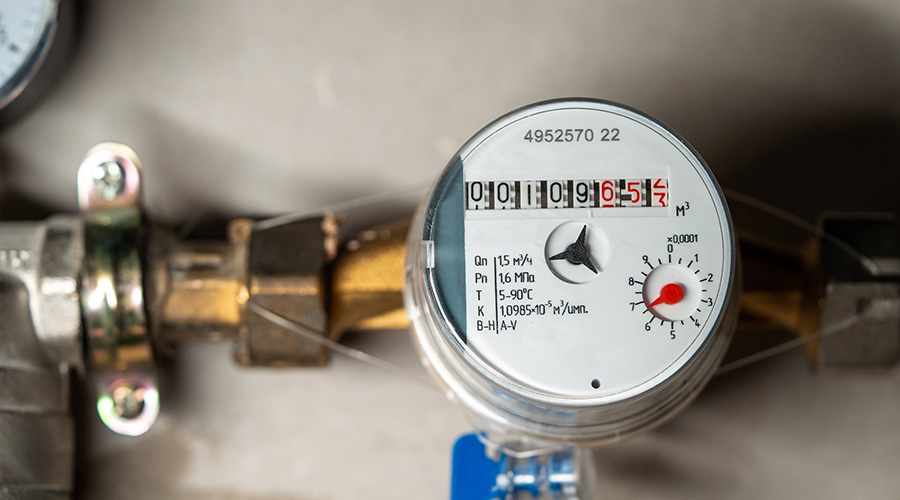
As spring approaches, building managers need to prepare for more than rising temperatures. At present, a large portion of the U.S. is projected to experience below normal precipitation this summer.
“These areas are likely to face serious water-related challenges,” says Klaus Reichardt, CEO and Founder of Waterless Co., Inc. “Agriculture, local water supplies, and even public health could be impacted. One of the most effective responses is to prevent water loss. Fortunately, advances in Artificial Intelligence (AI) make that much easier.”
Approximately 14 to 20 percent of treated drinking water nationwide is lost before reaching a consumer. Typically, this is caused by leaks, aging infrastructure, and inefficiencies, which worsen drought conditions.
According to Reichardt, AI can help commercial cleaning executives reduce water loss in eight ways:
1) Smart Leak Detection
AI-powered sensors continuously monitor plumbing systems and can detect abnormal flow patterns that signal leaks—often identifying problems long before routine inspections would.
2) Predictive Maintenance
By analyzing historical performance data, AI can forecast when pipes, fixtures, or irrigation systems are likely to fail, allowing repairs before leaks occur.
3) Real-Time Water Monitoring
AI systems track water consumption in real time and flag unusual spikes that may indicate hidden leaks or equipment malfunctions.
4) Restroom Fixture Analysis
Because restrooms account for a significant share of water use in commercial buildings, AI can evaluate existing fixtures and recommend lower-consumption options—or even no-water alternatives.
5) Smart Irrigation
AI-driven irrigation systems adjust watering schedules based on weather forecasts, soil conditions, and plant needs, eliminating overwatering—one of the largest sources of waste in commercial landscapes.
6) Automated Shutoffs
When abnormal flow or pressure is detected, AI systems can automatically shut off water to affected areas, preventing minor leaks from becoming major losses.
7) Occupancy-Based Optimization
AI can adjust water usage based on building occupancy patterns, reducing consumption during low-use periods without manual oversight.
8) Water Audit Analysis
AI can quickly analyze utility data and benchmark a building’s water use against comparable properties, identifying hidden inefficiencies and opportunities for improvement.
“The common thread of these strategies is that they shift owners and managers from a reactive approach to a proactive one,” says Reichardt. “When it comes to protecting water resources, being proactive isn’t optional—it’s essential.”