
 CleanLink Interactive Spring/Summer 2026 Issue
 Recognizing the 2026 Reader Choice Award Winners
 2026 Emerging Leader Award
 How Surfactant Use is Expanding in Commercial Cleaning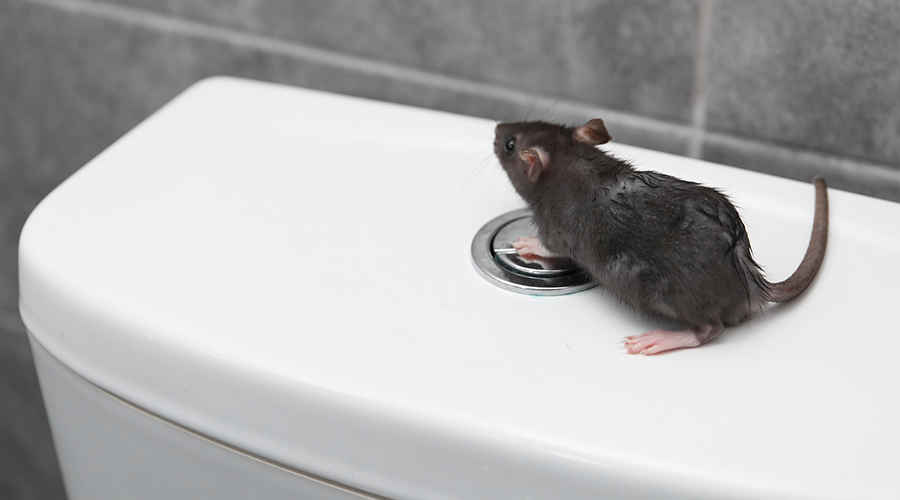
A study found elevated hantavirus levels in rodents in the Pacific Northwest, raising the risk of exposure in those communities, and putting cleaning operations in the region on alert.
Analyzing rodent samples, Washington State University researchers determined an estimated 30 percent were exposed to the Sin Nombre virus (SNV), with 10 percent infected. SNV is a strain associated with hantavirus pulmonary syndrome (HPS), the family of viruses that is also linked to the MV Hondius outbreak.
This international episode resulted in 11 confirmed cases, including three deaths. A World Health Organization (WHO) official shared that the disease was likely contracted from a species of rat found among the islands along the coast of Africa. Once individuals encountered the virus, it was spread through human-to-human transmission.
As of May 19, the Centers for Disease Control and Prevention (CDC) reported no confirmed cases of the Andes virus in the United States due to the cruise ship outbreak. Although the event has garnered global media attention, contracting the disease remains relatively low. However rare, hantavirus risk does exist nationwide and requires vigilant and existing infection and control measures.
For cleaning operations in areas with possible rodent activity, the use of personal protective equipment (PPE) is essential. Rubber or plastic gloves, fitted N95 respirator, and eye protection can limit exposure to virus particles. Ventilation is recommended before cleaning occurs, with frontline staff careful not to engage in activities that would stir up contaminants. Above all, proper hand hygiene protocol is critical after cleanup.
Learn about additional infection prevention and control measures here.