
 CleanLink Interactive Spring/Summer 2026 Issue
 Recognizing the 2026 Reader Choice Award Winners
 2026 Emerging Leader Award
 How Surfactant Use is Expanding in Commercial Cleaning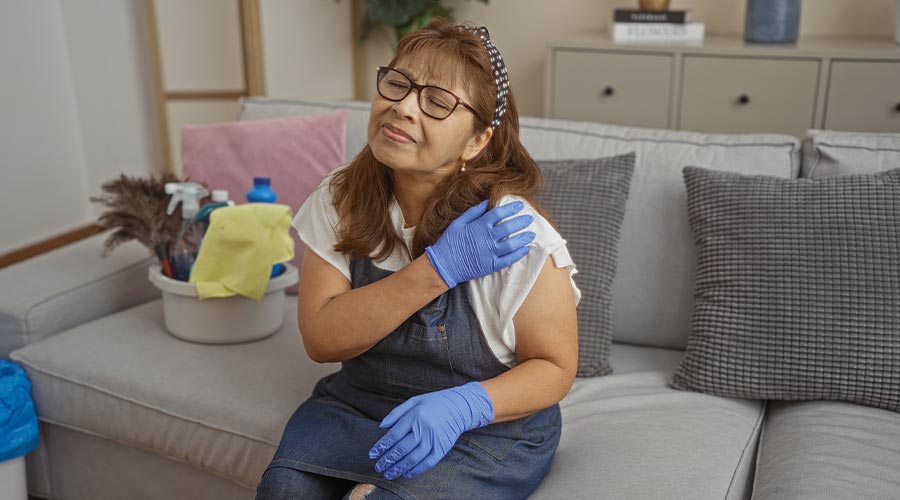
In the commercial cleaning industry, frontline staff are essential. These professionals are the first line of defense when implementing infection prevention and control protocols, often facing the risk of exposure to hazardous chemicals and materials, as the Centers for Disease Control and Prevention (CDC) affirms. Even more critical is the well-being of cleaning teams, as poor ergonomics can have long-term financial consequences.
Each facility has its own array of risk factors that can adversely impact the health and safety of cleaning crews. As the Occupational Safety and Health Administration (OSHA) asserts, repetitive movements, lifting, pushing, or pulling heavy equipment, and bending or overreaching motions can strain the body and lead to musculoskeletal disorders (MSDs). Data from the Bureau of Labor Statistics (BLS) revealed that overexertion and bodily reactions were one of the leading causes of work absences, NSC Injury Facts shares. Moreover, Flexible Assembly Systems Inc. states that in 2025, MSDs accounted for one-third of compensation claims, with an average indirect and direct operational cost of $60 to $80 billion.
According to EHS Today, four key body parts are adversely affected by poor ergonomics during work: shoulders, neck, wrists, and knees. Tools that could support these target areas while also attaining improved levels of clean are lightweight telescopic poles and microfiber mops, as CleanLink suggests. By using tools that provide access to unreachable spaces, facilitate easy and efficient movement, and keep the worker upright as much as possible, the risk of stress injuries or bodily strain is reduced, Unger explains. Sterling Cleaning Services adds that integrating innovative technologies—AI and autonomous equipment—affords staff the opportunity to prioritize critical cleaning needs rather than engage in physically demanding, repetitive tasks. Above all, Clean Manager emphasizes that ensuring employees receive training on cleaning systems and protocols is a preventative measure with promising payoff.