
 CleanLink Interactive Spring/Summer 2026 Issue
 Recognizing the 2026 Reader Choice Award Winners
 2026 Emerging Leader Award
 How Surfactant Use is Expanding in Commercial Cleaning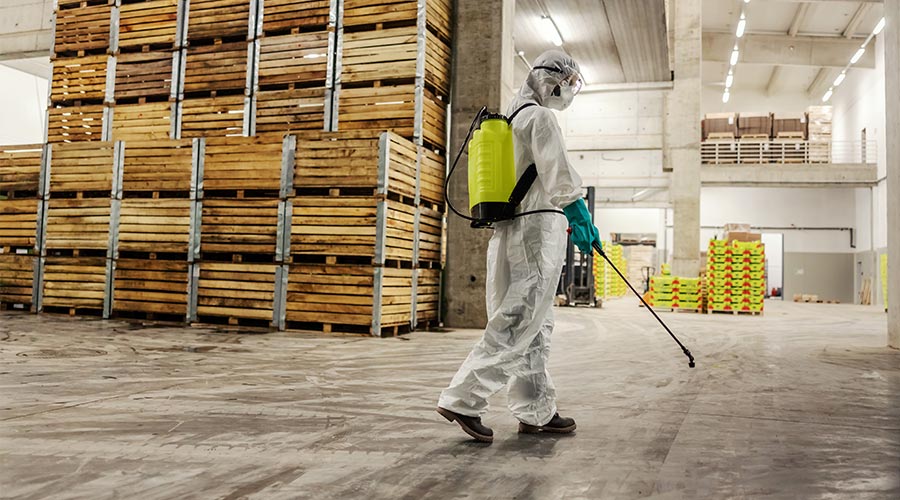
An influenza A (H3N2) outbreak is impacting countries globally, raising concerns about infection control and prevention in America. In a report by ABC News, a new flu strain—subclade K—is driving hospital cases across the United Kingdom, Japan, and Canada. In the U.S., a considerable number of current cases were identified as H3N2, with over half of those classified as subclade K.
A recommendation for preserving the health and safety of building occupants is applying rigorous cleaning, sanitation, and disinfectant systems. To reduce staff and occupant illness, facility focal points are high-touch surfaces, correct selection and application of disinfectants, and training employees on current practices, 3M suggests. According to the Bureau of Labor Statistics (BLS), the 2024 national absence rate was 3.2 percent, with an estimated 2.2 percent the result of illness or injury. Reviewing and revising standard procedures can support these proactive measures, which may mitigate any influx of employee absenteeism resulting from illness.
While the Centers for Disease Control and Prevention’s (CDC) recent weekly update showed low influenza activity, H3N2 cases are on the rise. This strain differs from others as its impact is more severe, particularly on elder and youth populations. Symptoms remain typical for influenza—fever, fatigue, body and muscle aches, etc.—however vaccine efficacy is limited since subclade K consists of several mutations, Prevention shares. Although health professionals continue to recommend the vaccine, it will not offer full protection, as affirmed by CIDRAP and NBC News. Therefore, cleaning remains a critical preventative practice.