
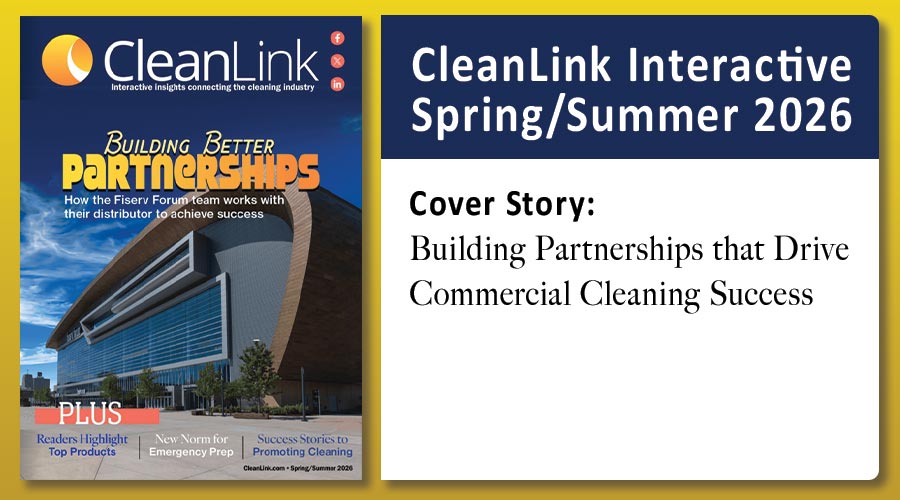
 CleanLink Interactive Spring/Summer 2026 Issue
 Recognizing the 2026 Reader Choice Award Winners
 2026 Emerging Leader Award
 How Surfactant Use is Expanding in Commercial Cleaning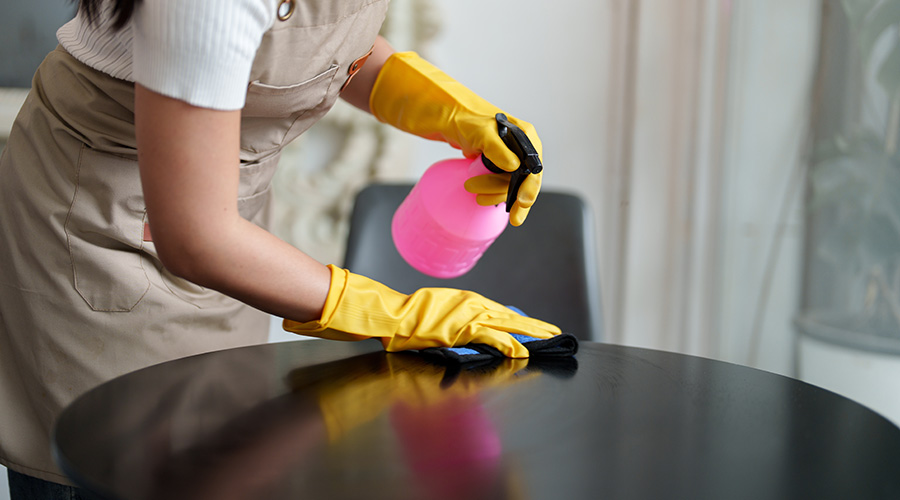
A new study shows how overuse of disinfectants containing certain chemicals can elevate environmental risks, especially in assisted living facilities.
Findings published in Environmental Science & Technology determined that large concentrations of quaternary ammonium compounds (QACs), found in everyday disinfectant products, were identified in indoor dust and air samples taken from residential care homes in Indiana. Recurring exposure to large quantities of QAC can raise health concerns for building occupants.
The research revealed that disinfectant use—particularly in healthcare, schools, and assisted living facilities—increased during the past pandemic. Although most commercial disinfectants are regulated and approved by the Environmental Protection Agency (EPA), the study found they were applied in larger amounts across touch points and surfaces likely to mitigate the virus and protect vulnerable populations. As a result, building occupants were exposed to elevated quantities of these chemical compounds, which can raise the risk of contracting respiratory illnesses.
According to the study, over 90 percent of dust samples collected contained 16 out of 19 targeted QACs. Their levels were higher than previously analyzed contaminants, indicating the potential long-lasting impact of disinfectant overuse. The research also found that 18 out of 19 QACs were found in indoor air samples, showing a need for improved indoor air quality sensors and systems.
Read on to learn how disinfection overuse can impact building occupant health and safety here.