
 CleanLink Interactive Spring/Summer 2026 Issue
 Recognizing the 2026 Reader Choice Award Winners
 2026 Emerging Leader Award
 How Surfactant Use is Expanding in Commercial Cleaning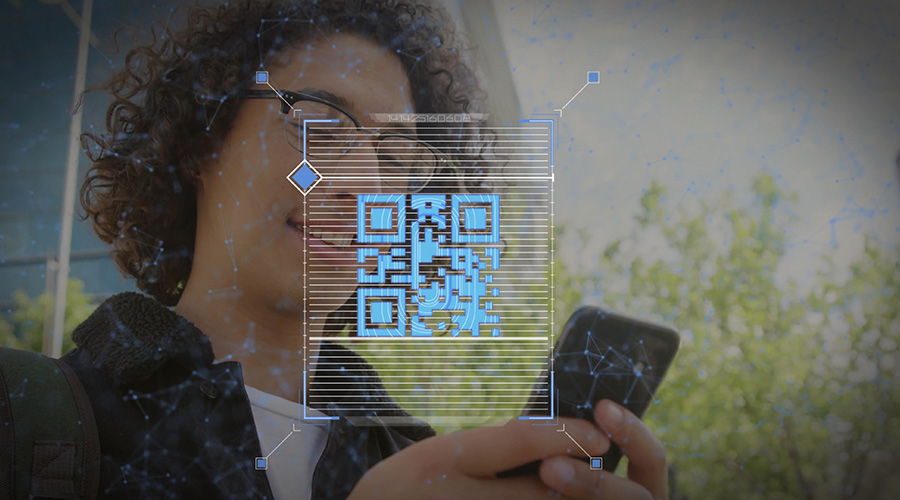
As expectations for accountability and transparency increase across commercial cleaning, organizations are rapidly adopting digital verification tools to prove work completion and maintain service quality. New data from Janitorial Manager (JM)—a cloud-based janitorial software platform—highlights this shift.
From October 2024 through March 2026, JM customers completed more than 2.2 million scans through Scan4Clean, JM’s scannable QR code feature. These scans reflect widespread use of real-time service verification in the field. Likewise, over the past year, monthly scan volume increased by nearly 20 percent year-over-year, signaling a growing reliance on digital tracking to support cleaning operations.
As cleaning teams manage more sites, shifts, and service expectations, companies face increasing pressure to document performance, reduce uncertainty, and provide clear reporting to clients. Digital verification tools help close this gap by replacing manual logs and verbal confirmation with real-time, location-based data.
“Accountability in cleaning has traditionally relied on trust, but that’s changing,” says Archie Heinl, Founder and President of Janitorial Manager. “We’re seeing a clear shift toward proof of service, where companies need to show when and where work was completed, not just say it was done.”
Digital tools like JM’s Scan4Clean and Scan2Inspect are at the center of this shift.
Scan4Clean uses strategically placed QR codes throughout a facility to verify work at the point of service. A scan confirms when and where tasks are completed, creating a time-stamped, location-based record that managers can review in real time.
Scan2Inspect extends this visibility by enabling structured, digital inspections tied to specific service areas. Supervisors can evaluate performance using customizable templates, capture photos, assign scores, and document issues as they occur. Inspection data is stored within the platform to create a historical record that supports trend analysis, training, and continuous improvement.
Together, these offerings help organizations move from reactive oversight to a more proactive, data-driven approach to managing cleaning operations.
“Clients expect consistency and visibility into the work being performed,” Heinl shares. “Digital verification connects frontline activity directly to reporting and performance data and delivers that confidence while reducing the administrative burden and improving communication.”