
 CleanLink Interactive Spring/Summer 2026 Issue
 Recognizing the 2026 Reader Choice Award Winners
 2026 Emerging Leader Award
 How Surfactant Use is Expanding in Commercial Cleaning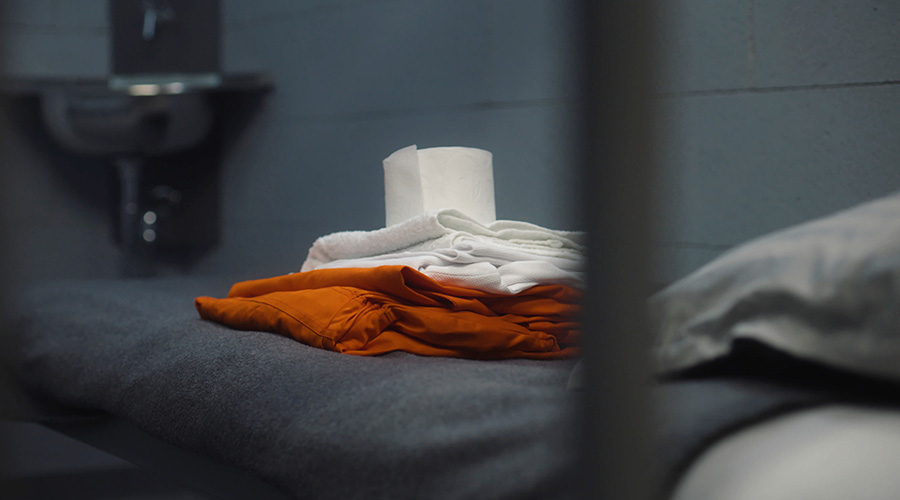
A Louisiana correctional facility is reporting a sharp decline in infection-related medical complaints following the implementation of an on-site disinfectant system, offering real-world evidence that may advance cleaning practices in hospitals, nursing homes, and schools.
Between Jan. 14 and Feb. 15, medical staff at the West Baton Rouge Parish Jail reviewed 385 inmate medical "tickets," with 51 involving cold- and flu-like symptoms, including cough, sinus congestion, body aches, and fever, as well as infections such as suspected staph, boils, and fungal conditions like athlete's foot and jock itch.
After the installation of the ArrowClean on-site disinfectant system on Feb. 12, use began the following day. From Feb. 16 to March 17, just 19 of 364 tickets met the same criteria, representing a 62.75 percent decrease. No other operational changes were reported during the timeframes.
"Literally, the only change we made during those timeframes was replacing our chemical cleaners with the ArrowClean system," says Captain Trevor McDonald, Warden of the West Baton Rouge Parish Jail. "We went from using traditional products like bleach and commercial cleaners—and we saw a notable drop in complaints."
Correctional facilities are widely recognized as challenging environments for infection control due to high population density, shared surfaces, and limited ability to isolate individuals, making them valuable real-world settings for evaluating sanitation practices.
The patented ArrowClean system generates a disinfectant and cleaner on-site, enabling frequent use across dormitories, cafeterias, common areas, and transport vehicles without the handling and storage constraints associated with traditional products. The hypoallergenic disinfectant is engineered to exceed healthcare-grade disinfection benchmarks with a one-step, one-minute contact time, as demonstrated in independent, EPA GLP-compliant laboratory testing, and is designed for safe use in occupied environments.
"We're acutely aware of the risks associated with certain cleaners and disinfectants," McDonald added. "In our environment, products can be misused or even weaponized. Having solutions with this level of safety and efficacy is a significant benefit for both staff and inmates."
Public health guidance has long emphasized that effective infection prevention relies on multiple layers, including environmental cleaning and hand hygiene. However, many widely used disinfectants require extended contact times—often up to 10 minutes—along with additional steps such as pre-cleaning or rinsing. As a result, real-world use may not consistently align with manufacturer label instructions. Additionally, most commonly used formulations contain ingredients that are associated with respiratory irritation.
By contrast, a one-minute, one-step process enables more consistent real-world application, particularly in settings where surfaces are in near-constant use.
"When a high-risk, high-density environment sees this level of reduction, it raises an important question about what's possible in schools, hospitals, and long-term care settings," shares Rayne Guest, CEO of ArrowClean. "There is a clear opportunity to improve outcomes for patients, students, and other vulnerable populations."