
 CleanLink Interactive Spring/Summer 2026 Issue
 Recognizing the 2026 Reader Choice Award Winners
 2026 Emerging Leader Award
 How Surfactant Use is Expanding in Commercial Cleaning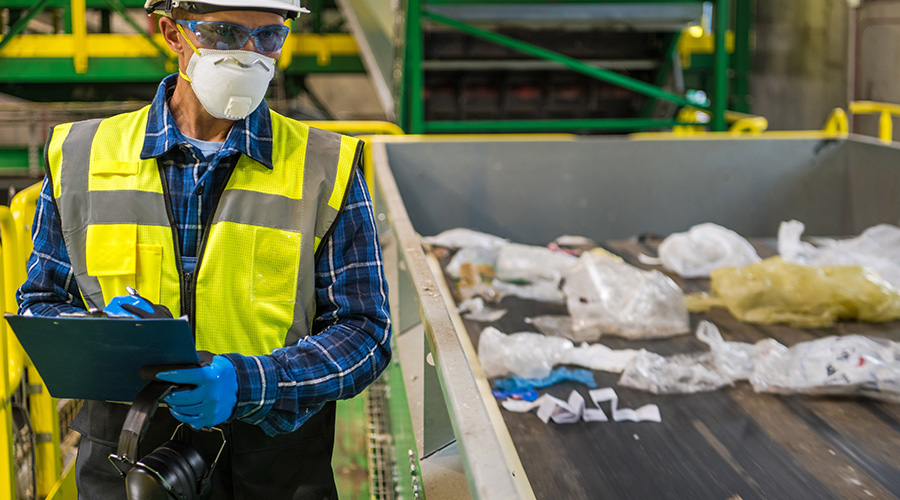
A waste production study determined solutions to improve local waste diversion efforts. Although the identified strategies cover the city’s municipalities, they can be applied to commercial cleaning executives looking to enhance waste management operations in their own facilities. The solutions provided offer methods to support building-specific sustainability initiatives as well as improve public buy-in.
The Westchester County’s Department of Environmental Facilities (DEF), New Rochelle, New York, found that end user education and accessibility are two areas for improvement. Specifically, when polling the public about recycling, only 9 percent knew of the county’s established recycling helpline. Moreover, research respondents noted limited drop-off and receptacle locations, inhibiting their ability to effectively divert waste. To combat these issues, DEF recommends expanding an established education campaign and waste management sites.
In-house managers and building service contractors can apply similar solutions following a waste audit. While the evaluation could have a high initial cost, the long-term investment could produce productive outcomes. Analyzing waste management programs—types of waste generated, volume of waste in landfills, management practices, and more—can establish a baseline on current waste reduction and sustainability efforts. The results can tailor training initiatives for staff and building occupants that improve overall operational efficacy and waste management goal attainment.