
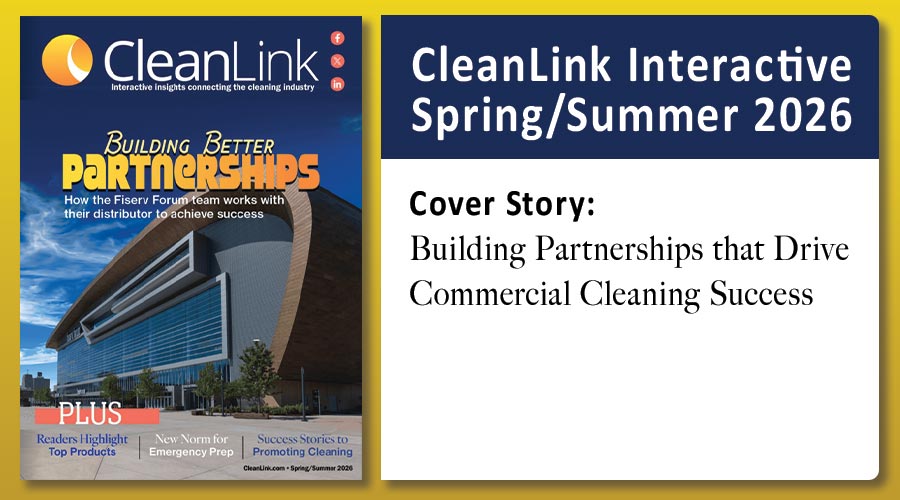
 CleanLink Interactive Spring/Summer 2026 Issue
 Recognizing the 2026 Reader Choice Award Winners
 2026 Emerging Leader Award
 How Surfactant Use is Expanding in Commercial Cleaning
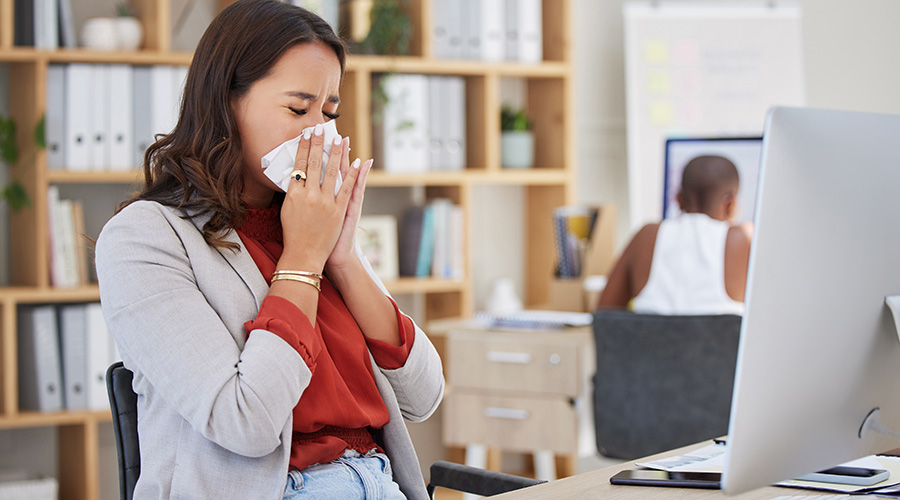
Cleaning can mitigate disruptions created during cold and flu season, a new American Cleaning Institute (ACI) and American Academy of Family Physicians (AAFP) survey says. Although the Centers for Disease Control and Prevention (CDC) reports that respiratory illness remains very low, influenza cases are on the rise. As Americans face seasonal sicknesses amid other ongoing outbreaks, like the record-high measles case count, the risk of absenteeism and other missed opportunities increases.
According to the ACI and AAFP report, 61 percent of respondents miss out on work or school. Over half of those surveyed shared that contracting an illness impacts their ability to attend after-school activities, while 52 percent feel their sleep is affected.
Not only do individuals pay the cost of getting sick both physically and mentally, but businesses do, too. According to a Global Healthy Living Foundation (GHLF) study, influenza cost the U.S. economy nearly $29 billion during the 2023-2024 flu season—$16 billion in direct medical costs and $13 billion in lost productivity. Overall, costs were driven by missed workdays, caregiving responsibilities, and premature mortality.
The findings illustrate the importance of infection prevention, especially during periods of great viral activity.
"Disruptions from illness can upend daily routines, and cleaning is one of the simplest ways to help stay healthy," says Jessica Ek, Associate Vice President, Strategic Communications at the American Cleaning Institute. "Americans recognize that cleaning is essential for healthy homes and communities, relying on trusted cleaning products to protect their families during cold and flu season."
To break the chain of infection, facility cleaning teams can address germ hotspots, such as doorknobs, elevator buttons, and handrails. These high-touch points should be addressed daily, with more frequent touch-ups during reports of increased illnesses. Areas that are frequently used, such as restrooms and waiting areas, should also be prioritized. Frontline teams should follow a route that minimizes opportunities for cross-contamination, utilize color-coded tools to minimize germ transfer, and apply Environmental Protection Agency (EPA)-registered disinfectants according to their manufacturer's label.
Above all, hand hygiene remains an important disease deterrent for both cleaning staff and building occupants. Most Americans agree, as 81 percent wash their hands more frequently and/or thoroughly during seasonal virus surges, as affirmed by Bradley Company's annual Healthy Handwashing Survey. Commercial cleaning executives can ensure compliance by educating staff and including signage that teaches the positive outcomes of following proper handwashing protocols.
To access additional findings from the ACI and AAFP survey, click here.