
 CleanLink Interactive Spring/Summer 2026 Issue
 Recognizing the 2026 Reader Choice Award Winners
 2026 Emerging Leader Award
 How Surfactant Use is Expanding in Commercial Cleaning
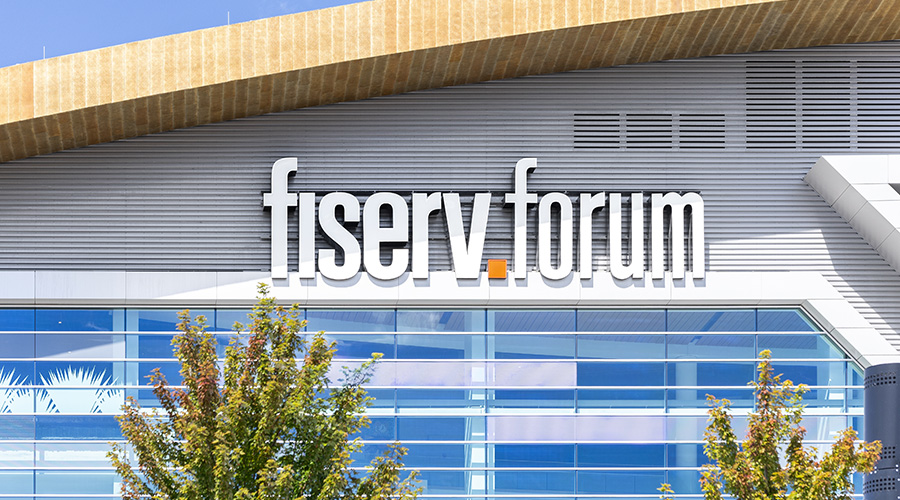
Since 2018, Milwaukee's Fiserv Forum has welcomed fans and visitors to its 730,000-square-foot facility. This premier space hosts 200 events annually, from the National Basketball Association's (NBA) Milwaukee Bucks to headlining concerts like Metallica. With a basketball game capacity of 17,341 and concert capacity of 18,000 attendees, waste management is an essential component of the facility's cleaning program.
Nathan Henderson, Director of Housekeeping for Fiserv Forum, agrees that responsible waste sorting and diversion is a building priority. His role is to ensure that the high-profile, high-traffic environment remains a world-class venue, starting with trash sorting protocols.
"Staff are trained to sort during their daily routines, which allows the waste sorter to simply place the materials into the correct waste stream," he says. "Working with the food and beverage team, IT department, and other departments, we create an open line of communication to ensure any generated waste is properly handled."
Routine sorting is a proactive measure that reduces contamination risks, limits landfill waste, and creates a cleaner, more sustainable environment. Compliance is key—from frontline teams and building occupants alike. However, there are tricks to entice the public to participate in waste management efforts, starting with location.
Henderson employs "the buddy system" when it comes to placement.
"We place a trash bin, and recycling can next to or near each other. Pairing them together allows guests to determine where to dispose of the items," he shares.
This strategy utilizes human behaviorism to increase the likelihood of compliance. In fact, a 2016 study on bin proximity effects found that placing a recycling bin beside a landfill bin increased their accessibility, making correct disposal easier to achieve. When co-location becomes a standardized operating procedure, this behavior becomes automatic as the public knows what to expect each time they approach the waste receptacles.
Removing a choice can also be beneficial, as it leaves visitors with only one option. For example, in Fiserv Forum's restrooms, recycling bins are the only receptacles available to encourage paper towel disposal. As sorting is not needed for these areas, frontline teams can reallocate time spent sorting to focus on other restroom care tasks.
Location is another important aspect when placing receptacles. Henderson considers the facility's aesthetics, space setup, and needs to determine where waste bins go.
"A number of our receptacles were designed to go with the arena and are strategically deployed in specific areas of the building," he says. "The receptacles used meet the look for the spaces but also have a larger capacity to meet the demand for high-volume events."
A System Overhaul
Receptacles conducive to Fiserv Forum's needs weren't always the case. Prior to opening, Fiserv Forum's leadership team implemented waste receptacles that did not adequately meet the differing demands of the variety of spaces in and outside of the arena.
"The previous cans were smaller by size and capacity, along with having a side opening—which tends to fill up quickly and allows people to sit on top of the lid," Henderson shares.
These concerns resulted in a collaborative discussion with arena leadership and frontline staff. When considering new receptacles, Henderson and his team looked at options that aligned with the building's aesthetics and increased its waste diversion capacity. Henderson also preferred a bin that would not become another seating option.
The solution: open top waste receptacles.
Using his jan/san distributor as a guide, Henderson found a solution that worked with Fiserv Forum's measurements, style, and capacity requirements. Some selected bins were designed for premium locations, while other standard bins met style and capacity needs.
"One year in with the new cans in our atrium entrance, and we haven't had any issue from an operational standpoint," Henderson says. "We were able to replace the other entrances with the same model this season."
Having bins strategically placed at entryways is a demonstrable driver of recycling rates. When bins are placed according to traffic patterns, their use becomes a convenience, increasing waste compliance, as affirmed by the Journal of Cleaner Production. Staff and public buy-in also afford opportunities to promote sustainability initiatives, giving facilities an opportunity to promote healthy spaces from start to finish.
Scalable Success
Henderson has leveraged waste management and diversion data to achieve the facility's recent recognition of Leadership in Energy and Environmental Design (LEED) Platinum certification. Fiserv Forum is one of two NBA arenas to receive this honor and is the first LEED Platinum sports venue in Wisconsin. The facility was also a 2026 recipient of the Green Sports Alliance's Material Management award due to its achievement of 30 percent waste diversion rates.
The new receptacles are only part of the facility's sustainability progress. Fiserv Forum also introduced a post-event material sorting program to enhance plastics, glass, and aluminum recycling. This material waste process is paired with a food waste process, in which the arena uses an aerobic food digester to break down food and send it to other facilities to be converted into energy, fuel, or fertilizer.
From waste receptacles selected for style, capacity, and functionality to innovation integration, Fiserv Forum continues to enhance its waste diversion efforts.
"Waste management and diversion have a vital role in the sustainability of the arena," Henderson says. "Data is collected on a monthly basis, and the progress and trends are tracked to ensure that we are meeting our goal and expectations of being a LEED Platinum building."
Taylor Vraney is the Assistant Editor working on Facility Cleaning Decisions, Sanitary Maintenance, and Contracting Profits magazines. She's also very active in contributing to CleanLink.com. Prior to her time in media, Taylor served as a Special Education teacher, which gives her a strong perspective on custodial operations and its role in creating healthy environments for building occupants.
Taylor currently oversees Sanitary Maintenance's Sales Leaders Award program, which gave her a quick introduction to some of the many outstanding personalities that make up this great industry.
Taylor handles the collection of content for the Cleaning Insider newsletter and facilitates CleanLink's monthly polling questions.
Follow Taylor on LinkedIn here.