
 CleanLink Interactive Spring/Summer 2026 Issue
 Recognizing the 2026 Reader Choice Award Winners
 2026 Emerging Leader Award
 How Surfactant Use is Expanding in Commercial Cleaning
Key Takeaways:
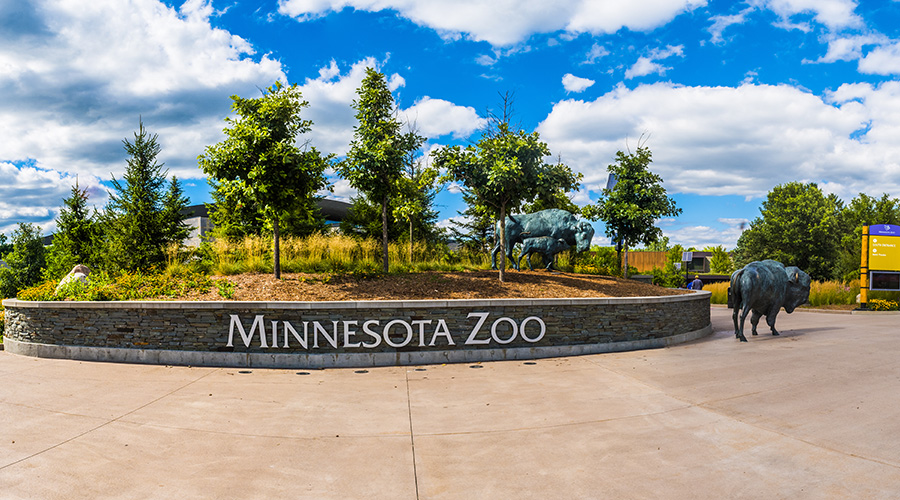
• Facility cleaning teams at the Minnesota Zoo are essential to the guest experience, ensuring every space—from exhibits and restrooms to event venues and animal care facilities—is clean, safe, and welcoming.
• Maintaining the Minnesota Zoo requires a uniquely diverse skill set, combining the sanitation standards of healthcare, the logistics of airports and stadiums, and the operational complexity of managing a small city.
• Success in zoo facilities management depends on collaboration and adaptability, as changing weather, guest attendance, animal care needs, and special events require constant coordination across departments.
The United States features geographical splendor that can only be understood by traveling the enormous swath of what Woody Guthrie famously called “diamond deserts,” “golden valley,” “Gulf Stream waters,” and “endless skyway.” These breathtaking borders of land and sea, along with centuries of immigration from across the world, have created maybe the most unique nation on Earth. Perhaps that’s one reason the zoo is one of the most beloved grounds for pastime among Americans. The space is, in so many ways, a microcosm of the United States.
Since the 19th century, everyone from toddlers to octogenarians has flocked to American zoos to see collections of animals just as diverse as the people themselves. Today, visitors can view a giraffe with Zimbabwean origins in one exhibit, then venture off a few hundred feet to take in the beauty of a Peruvian jaguar at another. At a time where so many lament that Americans could do a better job getting off their phones and heading outdoors, people of varying backgrounds, beliefs, and socioeconomic status do this every day on zoo grounds—all over a shared love for animals. It’s for these reasons many would agree zoos deserve the utmost preservation, and that couldn’t be accomplished without the unsung labor of their cleaning crews.
"When people think about what makes a great day at the zoo, they often think about the animals, exhibits, and experiences. Behind all of that is a dedicated building services team whose work helps make those moments possible,” says Abigail Mosher, Chief Operating Officer at the Minnesota Zoo. “They take great pride in caring for the spaces where our guests learn, explore, and connect with nature. Their commitment and professionalism are felt across the entire organization, and they are an important part of what makes the Minnesota Zoo such a special place."
Overseeing the team is Building Services Operations Manager Christopher Benner, who leads full-time, part-time, and seasonal employees responsible for cleaning the sprawling 485-acre zoo. Like many of his peers, Benner earned his elevated position with an eclectic resume of environmental services (EVS) and janitorial management experience. Before starting at the Minnesota Zoo in 2025, Benner’s 20-year career included positions across healthcare, aviation, hospitality, long-term care, and stadium operations. He says each of those environments presented unique challenges, but maintaining a zoo is special because it combines cleaning elements practiced in each of those spaces.
“In a hospital, cleanliness and sanitation are a focus. At an airport, it’s about managing large public spaces and unpredictable traffic patterns. At a stadium, the team experiences attendance surges and major events,” he explains. “At the zoo, all those things exist in the same environment while also supporting animal care and conservation.”
Benner says that while many assume zoo cleaning involves maintaining restrooms and animal exhibits, it’s so much more. He and his staff support guest-facing exhibit spaces, administrative offices, educational camps on campus, volunteer quarters, employee breakrooms, event venues, concessions and food truck areas, a working farm, the on-site animal hospital, and even help with foundation donor activities.
Just wait. There’s more.
Benner’s team also manages the zoo’s waste and recycling, event setup and tear down, snow and ice removal—this is Minnesota, after all—and support for large events like “Zoo After Hours,” the “Jack-O-Lantern Spectacular,” and “Wanderlight Trail.”
“It’s much closer to running a small city than maintaining a single building,” shares Benner.
Considering the seemingly endless list of zoo activities and areas Benner and his team have a hand in maintaining, it’s not surprising that the staff interact with many people. This need for facility cleaning staff to function successfully in cross-departmental labor has given Benner a great sense of just how vital it is for all staff to work together in such a unique space.
“One of the biggest lessons I have learned is that every department affects every other department,” says Benner. “A maintenance issue, animal care activity, weather event, or guest surge can quickly change operational priorities for the entire day.”
Jake Meister is the Managing Editor for Trade Press Media Group's Cleaning Group of brands. He works on three magazines: Sanitary Maintenance, Contracting Profits, and Facility Cleaning Decisions, as well as on Cleanlink.com, the home of all three publications. Jake has over five years of experience covering the commercial cleaning industry as an employee of Trade Press Media Group, but also spent time as a freelance journalist for the company.
Jake has attended many commercial cleaning events where he enjoys connecting and networking with representatives from all corners of the industry. This often lays the groundwork for profile articles featured across the group. He excels at identifying outstanding individuals and/or programs that showcase the great things the commercial cleaning industry represents.
In addition to writing, Jake moderates many of CleanLink's educational webcasts, and he is the voice behind much of the social posts.
Follow Jake on LinkedIn here.
Infection Control and Staffing at a Major Zoo