
 CleanLink Interactive Spring/Summer 2026 Issue
 Recognizing the 2026 Reader Choice Award Winners
 2026 Emerging Leader Award
 How Surfactant Use is Expanding in Commercial Cleaning
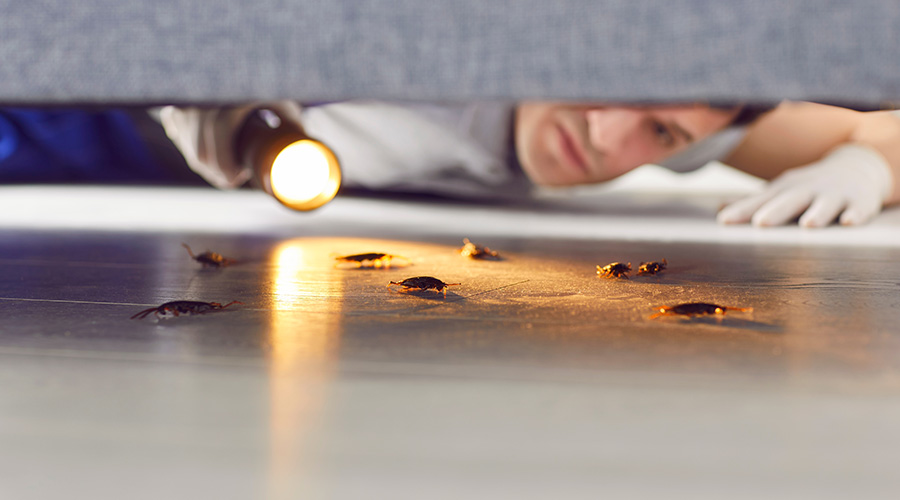
Facility cleaning managers face an evolving landscape of pest pressures that demand more than reactive solutions. Shifting climate patterns, extended pest seasons, and the increasing complexity of commercial environments are converging to create unprecedented challenges. The question isn't whether a facility will face pest threats; it's whether frontline teams will be prepared when they arrive.
Current pest threats aren't new, but they are becoming more aggressive and challenging to control.
For example, rodents still rank high as the most concerning pests, and for good reason. They reproduce rapidly, adapt quickly to new environments, and cause extensive damage. Their droppings and urine also contaminate surfaces, creating serious health risks for employees and customers alike.
Cockroaches present an equally formidable challenge. German cockroaches remain the undisputed champion of commercial pest problems, spreading bacteria such as salmonella and E. coli throughout facilities. A single cockroach sighting can trigger health code violations and instantly damage a facility's reputation.
Flies round out the trifecta of major threats in commercial facilities. These disease vectors transmit serious pathogens, making them especially dangerous in foodservice, healthcare, and hospitality environments. As activity increases, flies become more than a nuisance; they become a direct threat to operational safety and compliance.
The reality is, pest management has become too sophisticated for a do-it-yourself approach. The days of simply setting traps and hoping for the best are over. Today’s commercial facilities require comprehensive strategies that address the root causes of infestations, not just their symptoms.
This is where it becomes essential to partner with a professional pest control provider on the implementation of an Integrated Pest Management (IPM) program. IPM isn't just another industry buzzword; it's a proven, science-based approach that combines prevention, monitoring, and targeted treatment to manage pest populations while minimizing risks to people, property, and the environment.
What makes IPM different from traditional pest control is that it starts with an effective partnership, not a purchased service. A quality IPM program begins with a thorough inspection to identify conditions that attract and support pest populations—like moisture problems, structural gaps, food sources, and harborage areas. A pest control partner becomes an extension of the facility team, working collaboratively to address these underlying issues. Modern IPM programs also leverage technology, such as monitoring systems and data analytics, to provide real-time insights into pest activity. This leads to identifying and addressing problems before they escalate into costly infestations.
Building a Strategy
The National Pest Management Association (NPMA) recommends these critical steps for facility managers:
Look for pest control professionals with documented IPM expertise and industry certifications. They should provide detailed documentation, regular monitoring schedules, and transparent communication about treatment methods and materials used.
Work with a pest control partner to identify and eliminate conditions that attract pests. This might mean addressing drainage issues, sealing entry points, improving sanitation protocols, or modifying landscaping practices. Prevention is always more cost-effective than remediation.
Regular inspections and monitoring are the backbone of effective IPM. The pest management partner should provide consistent service visits with detailed reports that track pest activity trends and program effectiveness.
Pest management isn't a one-time fix. Successful programs require ongoing commitment and adjustment based on seasonal changes, facility modifications, and emerging pest pressures.
The pest challenges facing commercial facilities in the years ahead will be more complex than ever before. Extended activity seasons, climate-driven population shifts, and evolving regulations mean that reactive approaches simply won't cut it. Facility managers who invest in professional IPM partnerships now will protect their properties, safeguard their occupants, and avoid the costly disruptions that come with pest infestations.
The choice is clear: wait for pest problems to find a facility or take a proactive stance with a comprehensive IPM program. After tracking pest trends year after year, it’s clear that preparation beats reaction every time.
Jim Fredericks is the Senior Vice President of Public Affairs forthe National Pest Management Association (NPMA).