
 Celebrating BSCAI's 60th Anniversary eBook
 The Down and Dirty on Cleaning in Virus Season
 Industry Report Reveals Burnout Prevalence Among Cleaning Professionals
 How Surfactant Use is Expanding in Commercial Cleaning
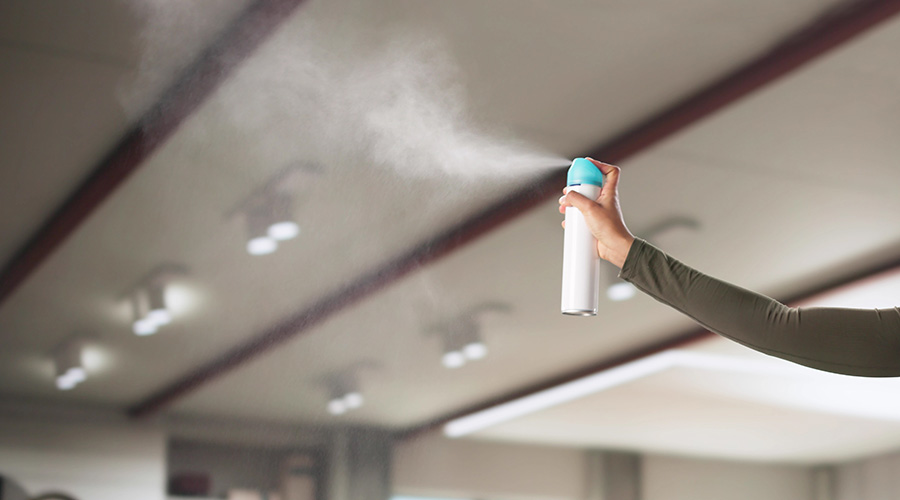
Visitors rely on more than their eyes to identify clean facilities. An unpleasant odor is an immediate red flag, regardless of a building’s pristine, sparkling floors or spotless windows. Scents play a vital role in an occupant’s overall experience, making it crucial for cleaning operations to achieve clean smells.
“When a space smells clean and fresh, people are more likely to feel that the environment is sanitary and that they are safe from germs that can cause illness, such as colds or the flu,” says Ricky Martinez, Assistant Director of Facility Services at the Salt Lake City School District.
When it comes to foul odors, he believes their impact can vary depending on the cause and severity.
“Odors resulting from inadequate cleaning can negatively affect occupancy and damage trust in the custodial department, with potential long-term effects until the issue is resolved,” Martinez says. “If odors originate from external sources—such as sewage, gas, electrical issues, or pest activity—the impact may be temporary but still significant until the source is identified and corrected.
Cleaning operations must be prepared for dire scenarios, such as gas leaks or sewage issues, that could require building evacuation. Proper training ensures teams can identify and tackle all odor-related issues.
The Smell of Clean
So, what constitutes a clean smell? Martinez says many people have the wrong idea.
“A clean smell is often mistakenly associated with fragrances from cleaning agents and disinfectants such as bleach or chlorine, as well as floral or other scents from air fresheners,” he notes. “However, the correct standard is that a properly cleaned and disinfected environment should have no noticeable odor. Cleaning chemicals and deodorizers are designed primarily to mask odors rather than eliminate their source.”
Most people grow up with scented chemicals—often lemon or lavender—and erroneously equate them with clean spaces. They may think if a room smells like citrus, it must have been cleaned recently. But those pleasant odors are the result of chemical additives, which—as Martinez commented—can be both bad to breathe in and a misleading indicator of cleanliness.
“Effective cleaning removes the cause of odors entirely; therefore, if cleaning is performed properly, no odors should be detectable,” Martinez adds.
That said, fragrance and air freshening products have a place in cleaning operations but should be applied with caution.
“They provide an immediate way to mask or reduce odors while the source is being identified or allowed to dissipate,” says Martinez. “They are best used for temporary odors, such as after restroom use or when cleaning up vomit or spoiled garbage. These products are intended for short-term, isolated situations and should not be considered a permanent odor solution.”
These products are best utilized in select, high-traffic areas such as restrooms, faculty lounges, and main offices. Their fragrances should be standardized and carefully selected to complement one another.
Strategizing Scents
When it comes to maintaining pleasant-smelling facilities, teams must stay conscious of “nose blindness.” Staff are in facilities all day and can unconsciously become adjusted to foul odors, allowing smells to creep up and create negative experiences for visitors.
Martine suggests the following tips:
Rotate staff and responsibilities: Rotating cleaning zones and tasks helps ensure fresh noses regularly assess different areas, making odors more noticeable before they become a problem.
Use objective odor checks: Implement checklists, scheduled walk-throughs, or periodic inspections by supervisors or staff who are not in the space daily. Bringing in outside feedback from occupants can also identify issues early on.
Train teams on odor awareness: Educate staff about nose blindness and common odor sources—restrooms, drains, carpets, trash areas, and HVAC vents. Training encourages proactive reporting instead of assuming smells are normal.
Focus on root-cause cleaning, not masking: Use proper cleaning methods that remove odor-causing bacteria and residues rather than relying on air fresheners, which only mask problems temporarily.
Use neutralizing products and technology: Enzyme-based cleaners, odor-neutralizing agents, and air -quality monitors can help detect and eliminate odors before they spread.
Maintain consistent schedules: Frequent cleaning of high-risk areas—restrooms, breakrooms, trash rooms, and entryways—prevents odor buildup over time.
Encourage occupant feedback: Provide an easy way for building occupants to report odors so issues can be addressed quickly, even if cleaning teams don’t notice them.
The Bottom Line
Ultimately, odor control can significantly impact the perception of a facility and influence safety procedures, occupant experience, and overall cleaning efficiency. Teams must have a defined process; otherwise, Martinez warns, the consequences for a department can be substantial.
“While certain odors entering a building may be beyond our control, having a standardized procedure or protocol in place allows us to demonstrate competence and professionalism,” Martinez says. “This, in turn, fosters confidence and trust among occupants, reassuring them that any odor-related situation will be managed effectively.”
Elisa Miller is an Assistant Editor for CleanLink.com, Contracting Profits, Facility Cleaning Decisions, and Sanitary Maintenance.