
 CleanLink Interactive Spring/Summer 2026 Issue
 Recognizing the 2026 Reader Choice Award Winners
 2026 Emerging Leader Award
 How Surfactant Use is Expanding in Commercial Cleaning
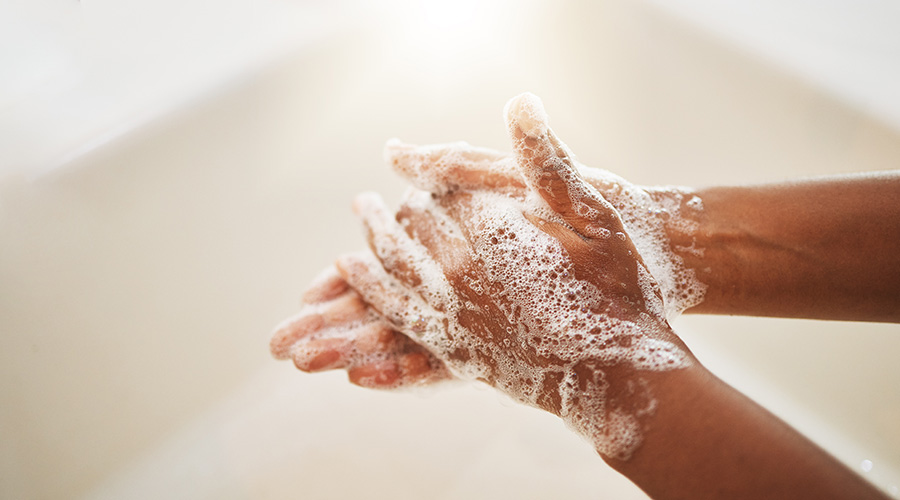
If there’s one thing the commercial cleaning industry can agree on, it’s the importance of hand hygiene. That’s not by mistake. According to the Centers for Disease Control and Prevention (CDC), proper handwashing with soap and water reduces the number of diarrhea cases up to 40 percent, respiratory illnesses by 21 percent, and school absenteeism—due to gastrointestinal illness—by 57 percent. And that’s just for starters. During the most recent pandemic, health experts and commercial cleaning professionals alike pleaded with the public to wash their hands as the first and perhaps most significant step in slowing its spread.
As unifying as hand hygiene is, that harmony is disrupted when conversation veers into the products needed to accomplish clean hands. There are disagreements on soap, hand drying methods, and types of hand sanitizer used to supplement and further improve hand hygiene. Understanding this, Contracting Profits reached out to jan/san distributors to gauge what facility occupants want.
Building Occupant Preferences
Foam hand soap is preferred among the majority of facility occupants, according to experts. The reasons for this favoritism make sense. Foam is lightweight, which some find pleasurable. It also spreads quickly across all parts of the hand and fingers, is fast to rinse off, and doesn’t have the “slimy” feel that can sometimes be associated with gel soaps.
While building occupants prefer foam soap for the texture, building service contractors like it for perks that benefit business. Foam soap uses 70 percent less product than gel, which reduces cartridge frequency, according to Ailene Grego, President and CEO of SouthEast LINK, Atlanta.
“The introduction of foam soap changed the preference over gel [for commercial cleaning businesses] because of the long-term financial benefit,” she says.
With longer-lasting inventory, building occupants benefit from ample soap supply, but they also favor foam because it is more contemporary than the gel counterpart. It wasn’t until the past 10 to 15 years that foam hand soap became more popular in commercial settings, mainly due to cost-effectiveness, shares Paul Niffenegger, a consultant who spent over three decades in jan/san distribution, wholesale, and manufacturing.
“Both foam and gel hand soap are effective in the removal of bacteria and germs,” says Niffenegger.”
While building service contractors debate between foam and gel soap options, experts also stress the importance of considering fragrance. Building occupants often associate pleasant smells with cleanliness. For example, a building occupant who walks into a restroom and doesn’t smell something citrus, or the like, might assume the space hasn’t been cleaned. The association between pleasant smells and cleanliness goes back hundreds of years. While that emotional connection is pervasive in much of the cleaning industry, building occupants don’t care too much about it in their hand soap, according to experts.
“I would say that lightly fragranced soaps win overall, but it's a minor difference,” says Dale Franke, Vice President of Sales, Acme Paper and Supply Company, Jessup, Maryland. “People associate a mild scent with cleanliness, while no scent can feel ‘industrial’ or unfinished to some users. That said, a strong fragrance—good or bad—is a fast way to annoy [building occupants].”
There are some settings where fragrances might be a bit more preferred, including hospitality, retail, gyms, and restaurants. In these settings, scents could be reassuring. However, there are just as many places where fragranced soap can be negative, like healthcare, schools, and anywhere else where sensitivity to smell is an issue. It’s also worth considering that, in some cases, scented hand soap can cause skin irritation, dryness, and allergic reactions because of the chemicals used to create these fragrances. When in doubt, building service contractors should consider who is using the facility before recommending scented soaps.
While hand soap preferences differ a bit among building occupants, touchless soap dispensers surpass those that require hand contact when it comes to occupant preference. Experts say this strong preference is in line with other restroom trends—touchless urinals, toilets, and door openers are widely embraced by the public.
“Their overall experience with touchless hand soap, hand towels, urinals and toilets, and automatic door openers has come a long way,” says Niffenegger. “Not every facility can provide all of these options, but more and more facility managers are moving in that direction.”
If cost begins to dip, it’s fair to assume most fixtures in the restroom requiring touch might get tossed like a soiled paper towel.
Heated Rivals
That brings this story to another big debate: should restrooms offer hand dryers or hand towels? “Heated Rivalry” might be the title of a popular new HBO romance show, but it’s also an apt description of the competition between manufacturers of the two restroom drying options. The two sides have vied for the love of commercial facilities for years, but when it comes to building occupants, there’s no contest.
Jan/san distributors say restroom users prefer paper towels because they are quicker to dry, do a better job drying hands, and—for those who are bothered by sound—do not cause noise. A secondary benefit is that they can be used to wipe other parts of the body, dry up spills, and open door handles. Niffenegger says hands-free paper towel dispensers are especially well liked because it only requires users to pull on newly exposed toweling. Multi-fold paper is also a very popular choice among end users but be cautioned as it’s more expensive.
Franke says the absorbency of a paper towel is the most important attribute, followed by softness, sheet size, and ease of dispensing.
“End users will tolerate thinner towels as long as they work,” says Franke.
Despite end user and building occupant preference, paper towels have a few downsides, including ongoing purchases of these consumable products and increased waste. Manufacturers are making strides in sustainability when it comes to paper, but this is still a concern to some environmentally conscious cleaning contractors. Add to that, a one-time purchase of hand dryers can be more cost-effective for facilities.
To be fair to fans of hand dryers, the product has improved. Positive changes include faster drying time, greater visual appeal, and improved energy use. However, the more powerful the machine, the greater the opportunity to spread bacteria, according to Grego.
Beyond Handwashing
Not to be ignored in an overall hand hygiene program, hand sanitizer has forged a strong presence in facilities. A supplemental product, hand sanitizer should be supplied by building service contractors for use after washing and drying hands, or in situations where regular handwashing is inaccessible.
When supplying sanitizers, building service contractors would be wise to prioritize building occupant preferences, which will increase hand hygiene compliance. To that end, occupants prefer foam hand sanitizer over the gel form. In her experience, Grego favors the sale of foam hand sanitizer for the same reason she says end users prefer hand soap—it’s lighter to the touch and more economical.
Like with hand soap, how hand sanitizer is dispensed will also impact usage. According to distributors, building occupants seem to prefer touchless hand sanitizer dispensers, although many cleaning contractors favor the fact that pump-style dispensers don’t require charged batteries. This attribute makes those manual dispensers more dependable for use—an important consideration since sanitizer can’t do its magic if it’s not available.
Once the dispenser type is decided upon, it’s time to place the object. Niffenegger advises placing hand sanitizer dispensers throughout the facility when possible, but especially outside the restroom.
Positioning hand sanitizer dispensers outside of the restroom is not only preferred by building occupants, but it tends to yield greater usage. While Franke agrees with supplying sanitizer in hallways, he says that having a hand sanitizer dispenser inside the restroom can be a positive because it reinforces hygiene messaging and serves as a backup for traditional handwashing.
“Building occupants consistently favor solutions that feel cleaner, faster, quieter, and more modern,” says Franke. “Once these expectations are met, users rarely want to go backward—even if the functional difference appears small on paper.”
Building service contractors understand that hand hygiene needs within facilities vary by facility type and by individual customers. It's important to ask the right questions when meeting with facility representatives to sus out the problem areas to offer solutions that not only meet the client's needs but do so within budget.
SIDEBAR: Hand Hygiene Preferences by Generation
While it helps to look at building occupants as awhole when examining their hand hygiene habits, it's also beneficial to identify the generational divide and their preferred hand cleaning options. Many facilities get frequent traffic from multigenerational employees and visitors—Baby Boomers, Gen X, Millennials, and Gen Z.
Below is a breakdown of generational desires for hand hygiene products according to Dale Franke, Vice President of Sales, for Maryland-based Acme Paper and Supply Company.
Baby Boomers Favor:
- Paper towels
- Manual or simple dispensers
- Gel hand soap
Gen X Favor:
- Paper towels (slightly)
- Touchless dispensers
- Foam hand soap (slightly)
Millennials Favor:
- Hand dryers
- Touchless dispensers
- Foam hand soap
Gen Z Favor:
- Hand dryers
- Touchless dispensers
- Fragrance-free products
There are other industry surveys that provide a glimpse into how building occupants view hand hygiene tools. According to Bradley Company's Healthy Handwashing Survey, 80 percent of people favor touchless features throughout restrooms. Interestingly, the survey suggests that hand dryers and hand towels can coexist in restrooms. On a related note, 60 percent of those surveyed report using paper towels in restrooms to avoid touching surfaces.
Jake Meister is the Managing Editor for Trade Press Media Group's Cleaning Group of brands. He works on three magazines: Sanitary Maintenance, Contracting Profits, and Facility Cleaning Decisions, as well as on Cleanlink.com, the home of all three publications. Jake has over five years of experience covering the commercial cleaning industry as an employee of Trade Press Media Group, but also spent time as a freelance journalist for the company.
Jake has attended many commercial cleaning events where he enjoys connecting and networking with representatives from all corners of the industry. This often lays the groundwork for profile articles featured across the group. He excels at identifying outstanding individuals and/or programs that showcase the great things the commercial cleaning industry represents.
In addition to writing, Jake moderates many of CleanLink's educational webcasts, and he is the voice behind much of the social posts.
Follow Jake on LinkedIn here.