
 CleanLink Interactive Spring/Summer 2026 Issue
 Recognizing the 2026 Reader Choice Award Winners
 2026 Emerging Leader Award
 How Surfactant Use is Expanding in Commercial Cleaning
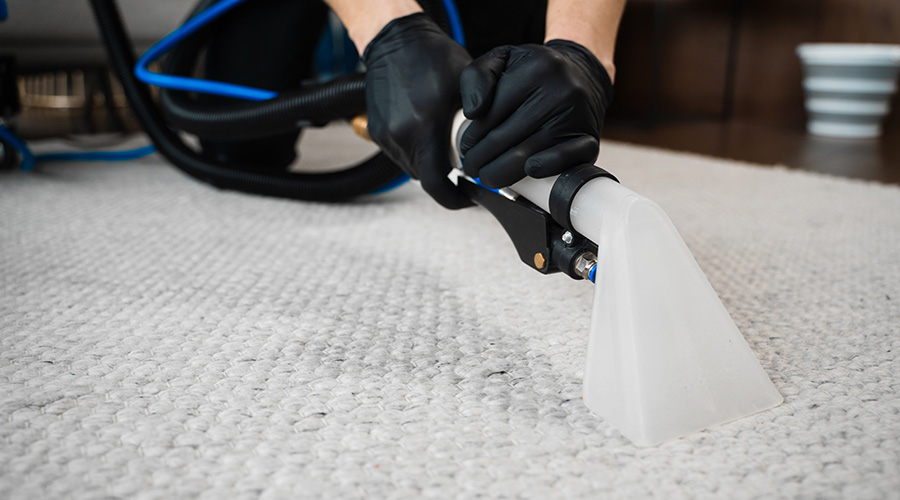
Carpeting is a major investment in any facility, meaning preserving its lifespan and appearance are of the utmost importance. That’s why a robust maintenance program is essential.
Building service contractors (BSCs) looking to promote a strong carpet care program for their customers should involve these three key phases:
1. Daily/Routine Maintenance
Daily carpet care focuses on maintaining an aesthetically pleasing appearance by preventing damage caused by foot traffic and outdoor debris. Regular vacuuming will help remove dirt, dust, and grit that can cut and wear down the carpet’s fibers over time.
According to the Carpet and Rug Institute (CRI), cleaning experts should vacuum at least once a week with a quality vacuum cleaner. However, the more foot traffic, the more elevated the need to vacuum. The general formula is:
- Vacuum daily in high-traffic areas.
- Vacuum twice a week in medium-traffic areas.
- Vacuum weekly in light-traffic areas, using attachments at carpet edges.
2. Periodic Maintenance
Periodic maintenance, also known as interim maintenance, is performed less frequently than daily care but more often than restorative care. This phase helps refresh carpet fibers, remove embedded dirt, and reduce the need for intensive restorative treatments. Techniques include carpet encapsulation or bonnet cleaning.
3. Restorative Maintenance
When carpets show visible spots, stains, or wear that can no longer be addressed with periodic cleaning, restorative maintenance is required. This is typically done through hot water extraction. Restorative treatment is expensive and time- and labor-intensive, but essential for preserving the carpet’s integrity and extending its service life.
The CRI recommends professionally deep cleaning carpets every 12 to 18 months to remove embedded dirt and grime. CRI Seal of Approval-certified cleaners are recommended—and sometimes required—by the manufacturer.
All three of these maintenance phases play a crucial role in preserving the longevity and appearance of commercial carpets. However, periodic maintenance is often the most overlooked step. Many building service contractors tend to focus primarily on daily upkeep and full restorative procedures, inadvertently skipping the interim maintenance that helps bridge the gap.
Interim Carpet Care Matters
Without regular periodic care, carpets can dull faster, accumulate deeper soil, and require more frequent and labor-intensive restoration—ultimately increasing maintenance costs and downtime. While deep cleaning is essential, waiting too long between cleanings can lead to permanent damage, unpleasant odors, and an unprofessional appearance. Interim carpet maintenance is a proactive approach that extends the life of carpets while maintaining a clean and healthy environment.
Interim carpet maintenance refers to scheduled light cleaning methods that occur between deep extractions. It includes vacuuming, spot cleaning, and low-moisture carpet cleaning techniques—like encapsulation carpet cleaning. This process helps maintain the appearance, durability, and hygiene of carpets without the downtime required for deep cleaning.
Key benefits of interim carpet maintenance include:
Extended Carpet Lifespan
Frequent foot traffic grinds dirt and debris into carpet fibers, leading to premature wear and tear. Regular interim maintenance prevents this buildup, preserving the integrity of the carpet and delaying costly replacements.
Improved IAQ
Carpets trap dust, allergens, and bacteria that circulate in the air, potentially triggering respiratory issues. Routine vacuuming and low-moisture cleaning help remove these pollutants, contributing to healthier indoor air quality for employees and visitors.
Reduced Need for Frequent Deep Cleaning
Deep carpet extraction is necessary but can be time-consuming and disruptive. Interim maintenance minimizes the accumulation of dirt and stains, reducing the frequency and intensity of deep cleanings while keeping carpets consistently fresh.
Enhanced Aesthetic Appeal
A stained or dingy carpet can create a negative impression on facility customers, as well as their clients and employees. Regular maintenance ensures carpets look cleaner and well-maintained, reflecting positively on the business.
Saved Money
Neglecting carpet care leads to premature fiber breakdown and costly replacements. Implementing interim maintenance techniques can reduce overall cleaning costs by keeping carpets in good condition and extending their life.
Interim Maintenance Methods
1. Frequent Vacuuming
A high-efficiency vacuum with a high-efficiency particulate air (HEPA) filter removes loose dirt and allergens before they settle into carpet fibers. Daily vacuuming in high-traffic areas prevents deep-set grime.
2. Spot Cleaning for Stains
Immediate stain removal prevents permanent discoloration and fiber damage. Using the right cleaning solutions and agitation techniques ensures effective stain removal without harming the carpet.
3. Low-Moisture Encapsulation Cleaning
During the encapsulation process, an encapsulation cleaning solution is applied to carpeting using either a pump-up sprayer, a dry foam machine, or an encapsulation machine. Once it has been worked into the carpet, allow 10 to 15 minutes for the solution to sit and dry. This is when deep cleaning happens.
Encapsulation cleaning is the newest interim carpet cleaning method and regarded as the safest and most effective.
4. Bonnet Cleaning
A rotary machine with a bonnet pad lifts surface dirt and brightens carpet fibers. This quick-drying technique is often used where carpets must be ready for foot traffic immediately.
However, BSCs must be aware that carpet bonneting may void a manufacturer’s warranty. Some mills believe that bonnets unwind the fibers, in turn ruining the carpet over time.
5. Preventative Measures
BSCs can stop dirt at the door by installing proper entryway matting programs both inside and outside the facility. Also, routinely empty air filters to reduce airborne dust particles.
Maintenance Timeline
CRI states that the frequency of interim carpet maintenance depends on foot traffic, facility type, and carpet material. General recommendations include:
- Daily: Vacuuming high-traffic areas
- Weekly: Spot cleaning spills and stains
- Monthly: Low-moisture or bonnet cleaning
- Quarterly: More intensive interim maintenance, such as encapsulation cleaning
Interim carpet maintenance is a cost-effective, time-efficient strategy to keep carpets clean, extend their lifespan, and maintain a healthy indoor environment. By implementing regular vacuuming, spot cleaning, and low-moisture cleaning methods, cleaning teams can reduce long-term costs, improve air quality, and create a welcoming space for all.
Lauren Belskie is a major contributor and the primary editor for the Imperial Dade Learning Center, a platform designed to answer common questions, provide insights on trends, and offer creative solutions to help businesses create safer, healthier, and cleaner facilities. She is the Marketing Operations Manager at Imperial Dade, producing articles, videos, trainings, and other educational content targeted to the janitorial services market.