
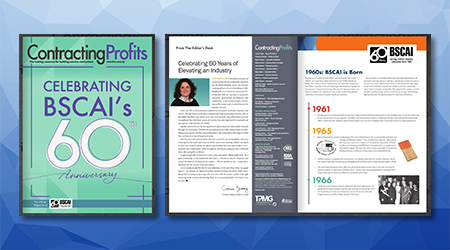
 Celebrating BSCAI's 60th Anniversary eBook
 Recognizing the 2026 Reader Choice Award Winners
 2026 Emerging Leader Award
 How Surfactant Use is Expanding in Commercial Cleaning
 Boost Cleaning Efficiency and Sustainability in Just 40 Minutes
 Case Studies & White Papers
Case studies & white papers for the cleaning professional
Vacuums: A Cleaning Program Overhaul Receives Dramatic Results
When the University of Texas at Austin decided to overhaul its cleaning program, the custodial services department dedicated five years for a full transition. In light of the size of the task, the long timeframe was definitely needed. The university, known simply as Texas or UT, is one of the top five largest single campuses in the US, with an enrollment just short of 50,000 and a faculty and staff of 21,000.
UT Custodial Services is charged with cleaning 128 buildings — 104 with in-house staff and 24 through a building services contractor. The total cleanable space spans 11.4 million square feet.
In 2001, the university adopted a Team Cleaning program, the ManageMen OS1® Operating System, and began incorporating drastic across-the-board changes to the way cleaning at the university was done.
“We wanted a better way to provide cleaning services and an easier way for employees to do their work,” says Sally Moore, manager of Custodial Services. “We were convinced that OS1 Team Cleaning would accomplish this for us.”
One of the new cleaning tools introduced during the change over was the Super CoachVac®, a high-powered backpack vacuum by ProTeam. Before Team Cleaning, the university used upright vacuums on carpets and paraffin-treated dust mops on hard floors, with inconsistent overall results.
“Of all the tools that we’ve incorporated, the Super Coach has made the most difference in our program,” says Moore. “The backpack vacuums allow for high productivity. And ProTeam’s Four Level Filtration greatly reduces the amount of dust in the buildings, making them healthier work environments for our cleaning workers, students, faculty and staff.”
With cleaning for health a key concern, all ProTeam vacuums are Green Label certified by the Carpet and Rug Institute as exceeding standards for dust removal and filtration. The Four Level® Filtration of the Super CoachVac traps 99.9 percent of particulate matter 1 micron and larger, helping clear the air of allergens and asthma triggers.
“Dust bunnies are known for their ability to reproduce, so we still have a few of them in high traffic areas despite our efforts. But now they are the exception instead of the rule,” says Moore. “We didn’t formally conduct before and after studies of indoor particulate levels, but my nose can tell the difference. Our buildings no longer smell dusty when you enter them. I can directly attribute that to the elimination of dust mops and upright vacuums.”