
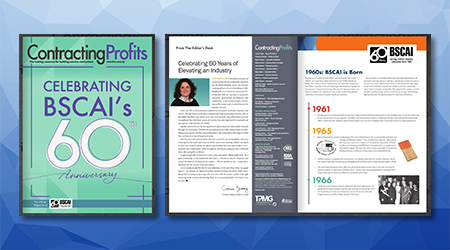
 Celebrating BSCAI's 60th Anniversary eBook
 Recognizing the 2026 Reader Choice Award Winners
 2026 Emerging Leader Award
 How Surfactant Use is Expanding in Commercial Cleaning
 Boost Cleaning Efficiency and Sustainability in Just 40 Minutes
 Case Studies & White Papers
Case studies & white papers for the cleaning professional
Feminine Hygiene: One Less Thing To Touch
Dr. David Coates, a U.K. microbiologist, recently evaluated the types of bacteria typically found on used feminine hygiene napkins.
The study revealed that untreated sanitary waste can contain such harmful bacteria as Staphylococcus aureus, E. coli, and Candida albicans and that there is also a potential threat from viruses such as hepatitis A, B, and C.
Further, Coates found that these contaminants can be transmitted to others in “infectious doses” via the lids of feminine hygiene disposal units.
This can happen when people touch the lids of conventional disposal units, which are then touched by other users, or when cleaning professionals empty these units without wearing gloves.
One way to address the problem, suggests Coates, is employing touch-free disposal units, such as those manufactured by Cannon Hygiene, that use infrared sensors to automatically open and close the unit’s lid.
Additionally, hiring restroom hygiene service companies to maintain these units protects cleaning professionals as well.