
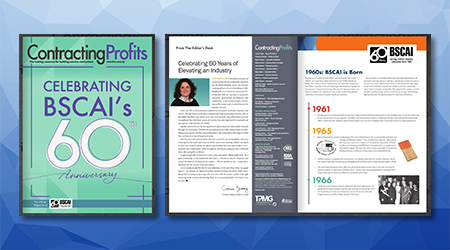
 Celebrating BSCAI's 60th Anniversary eBook
 Recognizing the 2026 Reader Choice Award Winners
 2026 Emerging Leader Award
 How Surfactant Use is Expanding in Commercial Cleaning
 Boost Cleaning Efficiency and Sustainability in Just 40 Minutes
 Case Studies & White Papers
Case studies & white papers for the cleaning professional
Vacuums: The Hoopla Over HEPA
The outdoors is becoming a tough place to catch your breath. Spare the Air days are growing in number and hotter temperatures are responsible for dustier winds and higher levels of allergens. Today, people are looking to their homes and workplaces as a reprieve from the choking and irritating outside atmosphere. As a result, improving indoor air quality (IAQ) is a hot topic. Important tools when cleaning for health are vacuums with High-Efficiency Particulate Air (HEPA) air filters, but to truly reap their benefits it’s important to understand what they are and how to best implement them.
Explosive Beginnings
Scientists working on the Manhattan Project — the effort to develop the first nuclear weapon in the 1940s — needed a highly efficient way to capture airborne particles that had become contaminated by radioactive materials during their research. They focused on solid particulates that at 0.3 microns in size were the most penetrating when working with harmful radioactive iodine. This particle size is still the standard for HEPA filtration efficiency. To put it into perspective, a micron is 1/25,000th of an inch, and a human hair is around 70 microns in diameter.
After World War II (the HEPA acronym became a registered trade name at this time) the technology was developed commercially and quickly evolved for use in high tech industries that demand optimal air quality standards. They are an absolute necessity for filtering the air in pharmaceutical processing facilities, computer chip fabs, and in nuclear power plants. Homes, office buildings and healthcare facilities are other places HEPA filters are now showing up. They are commonly used in portable home air purifiers, residential and commercial building HVAC systems, and in professional vacuum cleaners.
What Ails Us
According to the American Academy of Allergy, Asthma and Immunology, 25 percent of Americans suffer from allergies. And Harvard researchers have determined that global warming is causing spring to arrive earlier, resulting in up to a 55 percent increase in the amounts of ragweed pollen in the air. What’s more, 20 million people suffer from asthma, including 9 million children, costing the U.S. $10 billion annually in direct health care costs and lost productivity.
Parents, teachers, government officials, and Jan-San industry professionals are realizing the importance of indoor air quality now more than ever. That is why HEPA filtration is becoming a new standard for cleaning.
Cleaning for Health with a HEPA Vacuum
A quality HEPA vacuum is a formidable tool for battling poor IAQ. Carpeting, furniture, fabric cubicle walls, and window coverings trap and harbor indoor airborne pollutants. When we move about in a building, these particles are stirred up and can remain suspended in the air for up to 12 hours. Regularly removing the problematic particulates is crucial to better health.
When considering a HEPA vacuum, look at the specifications, certifications and warranty. For starters, the vacuum must be able to rid the air of 99.97% of particulate matter in the air down to 0.3 micron in size. At this level pollen, pet dander, mold, yeast, bacteria, and dust mite feces will be removed. One manufacturer takes cleaning effectiveness so seriously that their vacuums offer a four level filtration system to keep these pollutants from ever leaving the machine. These technologies combine to reduce contaminants to levels acceptable in buildings requiring the utmost cleanliness.
HEPA canister and backpack vacuums are better suited to cleaning at this high level. Uprights fitted with a powered beater bar tend to unseat trapped particulates in carpet and those settled on hard flooring, churning more into the air than into the vacuum. But a wand or hose with gliding floor tool attachments rely on powerful suction to capture dirt.
Also make sure that the amount of air taken in, measured in cubic feet per minute (CFM), does not exceed the filter’s capacity. If it does this is a clear sign that some pollutants are most likely escaping back into the air. Vacuums and filters both come with CFM ratings from the manufacturer to make sure that the right combinations are chosen.
Once you have sorted out makes and models that meet the specifications, aim to purchase the vacuum from a reputable manufacturer. Look for companies that offer solid warranties on their products: one year is standard but some companies offer up to three years on parts, labor and the motor and lifetime on molded body parts. Also, look for companies that carry the Carpet and Rug Institute (CRI) seal of approval. This ensures the vacuums and filters have been tested and meet certain scientific standards for soil removal. One company, Pro-Team, is not only CRI certified but has partnered with the American Lung Association to educate on indoor air quality concerns.
Finally, ask the manufacturer about training materials and other literature to educate your work force. Proper vacuuming techniques and filter maintenance are keys to ensuring the HEPA system you choose works as it should.
Clear the Way
It takes more than high-quality equipment to make an effective HEPA vacuum. Multiple steps are required to ensure the machine functions properly. Studies have found that as many as 50 percent* of all HEPA vacuums are not working properly – usually due to operator error or lack of maintenance. Such machines filter as little as 80 percent of the processed air, blowing it back out with all its pollutants in tow.
Regularly scheduled filter maintenance is a must. HEPA filters, even when treated with antimicrobial solutions, can still quickly turn into breeding grounds for mold, fungus and bacteria. Plan to empty the filter regularly, especially if working in high traffic and large square footage areas. Keeping the filter bag clean and clear is an important way to prolong the life of a HEPA filter, and the life of the vacuum motor.
Filter installation and replacement require training and dedication on the part of the maintenance worker. If not installed properly, processed air bypasses the filter and escapes without being cleaned. Furthermore, the filters and units can be damaged during replacement.
Breathe Easy
With the right tools, education and maintenance practices, you will be on your way to a cleaner indoor environment. People with allergies and asthma can expect to see dramatic improvements in overall health and productivity. Breathe easy, and know that you and your clients will notice the difference a HEPA vacuum makes.
by Dave Jansik, a freelance writer in Boise, Idaho focusing on the cleaning and facilities maintenance industry.