
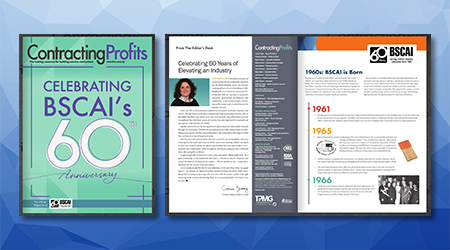
 Celebrating BSCAI's 60th Anniversary eBook
 Recognizing the 2026 Reader Choice Award Winners
 2026 Emerging Leader Award
 How Surfactant Use is Expanding in Commercial Cleaning
 Boost Cleaning Efficiency and Sustainability in Just 40 Minutes
 Case Studies & White Papers
Case studies & white papers for the cleaning professional
Five Steps to Reduce the Risk of Foodborne Illness
Canadians’ food choices are driven by convenience, health and wellness, pleasure and value. From fast food restaurants to fine dining, the popularity of eating out has created a surge in food services. Eating out more often results in spending more of our income on restaurant meals. According to the Canadian Restaurant and Foodservices Association, the total commercial foodservice industry generated approximately $60 billion in sales in Canada in 2010. What’s more, Canadians make more than 17 million restaurant visits daily.
With more people and families eating out on a daily basis, consumers are increasingly interested in food products that provide reassurances about food safety. When it comes to food safety, consumers most often think of food preparation and handling practices, standards and regulations, and practices that take place during primary production. Food freshness and personal health issues are also an important factor for a number of consumers.
However, according to recent Canadian population studies, Health Canada and the Public Health Agency of Canada estimate that 11-13 million cases of foodborne illness occur each year. Research findings by the Canadian Partnership for Consumer Food Safety Education reveal that despite the fact that a majority of adults feel confident that they understand and follow safe food handling procedures, there are still a significant number who do not consistently follow certain safe food handling practices.
Click here to learn how green cleaning can improve food safety.